How to Lower Blood Sugar: Evidence-Based Strategies for Managing Type 2 Diabetes
Comprehensive educational guide on blood sugar management, A1C reduction, and lifestyle approaches supported by clinical research
Millions of people search online for how to lower blood sugar, how to reverse type 2 diabetes, and how to treat diabetes effectively. This comprehensive educational guide addresses these questions with evidence-based information from clinical research, medical institutions, and peer-reviewed studies. Whether you're interested in how to lower your A1C, how to lower blood sugar naturally, or how to support type 2 diabetes through lifestyle changes, this resource provides reliable, science-backed information to help you understand your options.
This page was created as an educational resource for individuals researching how to lower blood sugar using evidence-based, lifestyle-centered approaches. The information presented is grounded in clinical research, CDC data, and peer-reviewed scientific literature.
The Scope of Diabetes: Why Understanding Blood Sugar Matters
Diabetes has become one of the most prevalent chronic diseases in the United States and globally. Understanding the scale of this health challenge helps explain why so many people are searching for how to lower blood sugar and how to reverse type 2 diabetes.
United States Diabetes Statistics (CDC 2023-2026)
40.1 million Americans have diabetes—approximately 1 in 8 people. This represents 12% of the U.S. population.
29.1 million have diagnosed diabetes, while 11 million remain undiagnosed. This means 27.6% of people with diabetes don't know they have it.
90-95% of all diabetes cases are Type 2 diabetes, making it the most common form and the primary focus of lifestyle-based management strategies.
115.2 million U.S. adults have prediabetes—more than 1 in 3 Americans. Among adults 65 and older, 31.3 million (52.1%) have prediabetes.
These statistics underscore why questions like "how to lower blood sugar," "how to treat diabetes," and "how to reverse type 2 diabetes" are among the most searched health topics. The prevalence of diabetes and prediabetes affects not only individuals but also families, workplaces, and healthcare systems.
Diabetes Globally: A Worldwide Health Challenge
Diabetes is not limited to the United States. The World Health Organization and International Diabetes Federation report that diabetes is a global pandemic affecting hundreds of millions of people worldwide.
Global Diabetes Prevalence (2024-2025)
589 million people worldwide currently have diabetes, with projections reaching 853 million by 2050.
42.8% of people with diabetes globally are undiagnosed, representing 251.7 million individuals who don't know they have the condition.
The highest prevalence rates are found in Pakistan (30.8%), French Polynesia (25.2%), and Kuwait (24.9%), though diabetes affects every country and region.
The rise in diabetes prevalence has been more rapid in low- and middle-income countries, creating significant public health challenges globally.
Gender and Demographic Differences in Diabetes Prevalence
Research shows that diabetes affects men and women differently, and prevalence varies significantly across racial and ethnic groups. Understanding these differences is important for developing personalized approaches to how to lower blood sugar and how to reverse type 2 diabetes.
Gender Differences in Diabetes (CDC Data)
Men: 18.0% total diabetes prevalence (12.9% diagnosed)
Women: 13.7% total diabetes prevalence (9.7% diagnosed)
While men have higher overall prevalence, more women have Type 2 diabetes due to population differences. Importantly, women often experience more serious complications and higher mortality risk from diabetes.
Among adults 65+, 41% of men have prediabetes compared to 32% of women.
Racial and Ethnic Disparities in Diabetes (U.S.)
American Indian/Alaskan Native: 15.7% (highest rate)
Black, non-Hispanic: 12.2%
Hispanic: 11.8%
Asian: 9.7%
Non-Hispanic White: 7.6% (lowest rate)
These disparities highlight the importance of culturally sensitive and accessible approaches to diabetes management and education.
Understanding Blood Sugar, Glucose, and Metabolic Balance
To effectively address questions like "how to lower blood sugar" and "how to treat diabetes," it's important to understand what blood sugar is and how it functions in the body.
Blood sugar (blood glucose) refers to the concentration of glucose in the bloodstream. Glucose is the body's primary source of energy, derived primarily from carbohydrates in food. When you eat, your digestive system breaks down carbohydrates into glucose, which enters the bloodstream. Your pancreas responds by releasing insulin, a hormone that helps cells absorb glucose for energy or storage.
In healthy individuals, blood sugar levels remain relatively stable throughout the day, typically between 70-100 mg/dL when fasting. After meals, levels may rise temporarily but return to normal as insulin works to regulate glucose. However, in people with type 2 diabetes, this regulatory system becomes impaired—either the pancreas doesn't produce enough insulin, or the body's cells don't respond effectively to insulin (insulin resistance).
This is why many people research:
- How to lower blood sugar and A1C levels
- How to support blood sugar stability throughout the day
- How to lower blood sugar naturally through lifestyle changes
- How to reverse type 2 diabetes or achieve remission
- How to treat diabetes comprehensively
Understanding how diet, physical activity, stress management, and nutritional support influence blood sugar patterns is central to managing type 2 diabetes effectively.
A1C: The Key Metric for Long-Term Blood Sugar Control
When people ask "how to lower blood sugar" or "how to lower A1C," they're often referring to two different but related measurements. Understanding the distinction is important for effective diabetes management.
Fasting Blood Sugar (FBS) measures glucose levels at a specific moment, typically in the morning before eating. This reflects short-term blood sugar control and can fluctuate throughout the day based on meals, activity, and stress.
Hemoglobin A1C (HbA1c) measures the average blood sugar level over the previous 2-3 months by tracking how much glucose has attached to hemoglobin (a protein in red blood cells). This provides a more comprehensive picture of long-term blood sugar control. Diagnostic ranges are:
- Below 5.7%: Normal blood sugar
- 5.7% - 6.4%: Prediabetes
- 6.5% or higher: Type 2 diabetes diagnosis
Educational approaches to how to lower blood sugar focus on both immediate glucose control and long-term A1C reduction, as both are important for preventing complications and supporting metabolic health.
How to Reverse Type 2 Diabetes: Evidence for Lifestyle-Based Remission
One of the most encouraging findings in diabetes research is that type 2 diabetes can be reversed or placed into remission through intensive lifestyle interventions. This directly addresses the question "how to reverse type 2 diabetes" that millions of people search for annually.
Type 2 Diabetes Remission Success Rates
61% remission rate achieved through diet and exercise intervention (Cornell University research)
Multimodal interventions showed 1.75x higher likelihood of remission compared to control groups
Nonpharmacological interventions (lifestyle-based) showed 5.80x higher likelihood of remission compared to control groups
These results come from a systematic review and meta-analysis of 18 randomized controlled trials published in Diabetes Care (2025)
Research published in peer-reviewed journals demonstrates that sufficiently intensive lifestyle interventions can produce remission of type 2 diabetes with similar success rates to bariatric surgery, but without surgical risks. Weight loss is especially effective when beta cells have not yet been severely damaged.
Diet and Blood Sugar Support: How to Lower Blood Sugar Naturally
Diet plays a central role in efforts to lower blood sugar naturally and support type 2 diabetes management. Educational guidance from medical institutions and diabetes organizations generally highlights several key principles:
- Consistent meal timing: Regular eating patterns help stabilize blood sugar throughout the day
- Whole, minimally processed foods: Whole grains, vegetables, lean proteins, and healthy fats provide sustained energy
- Balanced macronutrient intake: Combining protein, healthy fats, and complex carbohydrates slows glucose absorption
- Portion control: Managing serving sizes helps prevent blood sugar spikes
- Fiber-rich foods: Soluble fiber slows glucose absorption and improves blood sugar control
Rather than focusing on restriction or elimination, educational approaches emphasize building sustainable habits that support blood sugar stability over time. This is why questions like "how to lower blood sugar at home" often focus on practical, repeatable dietary strategies that fit into daily life.
Physical Activity: Exercise as a Tool to Lower Blood Sugar
Exercise is one of the most powerful tools for managing blood sugar and supporting type 2 diabetes. Research shows that physical activity can lower blood glucose up to 24 hours or more after your workout by making your body more sensitive to insulin.
Exercise and A1C Reduction (Clinical Evidence)
8+ weeks of exercise intervention: Average A1C reduction of 0.66%
Recommended target: 150 minutes of moderate aerobic exercise weekly, combined with muscle-strengthening activities
Optimal approach: Combination of aerobic exercise (cardio) and resistance training (strength) is most effective for blood sugar control
Extended benefits: Physical activity improves insulin sensitivity, supports weight loss, and reduces cardiovascular risk
Exercise works synergistically with dietary changes to help people understand how to lower blood sugar and how to reverse type 2 diabetes. The combination of diet and exercise is more effective than either intervention alone.
Cinnamon for Diabetes: Scientific Evidence for Blood Sugar Support
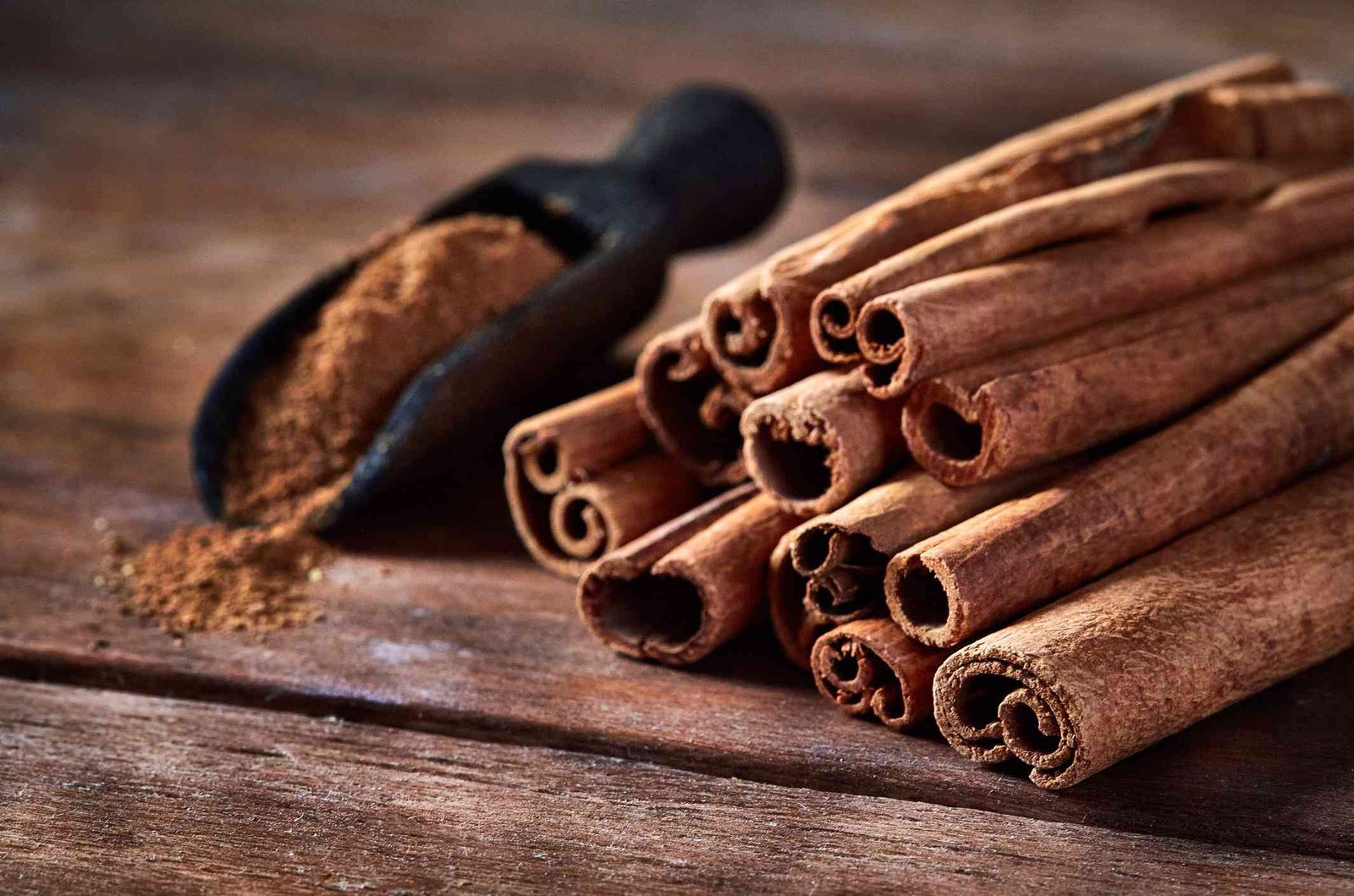
When researching "how to lower blood sugar naturally" and "cinnamon for diabetes," many people discover that cinnamon has been studied extensively for its role in glucose metabolism. Cinnamon is one of the most researched spices in relation to blood sugar management.
Cinnamon can support blood sugar when included in the diet as part of an overall balanced eating pattern. It is widely used, accessible, and frequently mentioned in nutritional research related to metabolic health. The active compounds in cinnamon, including polyphenols, have been shown to influence glucose absorption and insulin signaling.
Clinical Research on Cinnamon and A1C
Primary finding: 1g daily cinnamon for 90 days lowered A1C by 0.83% (95% CI: 0.46-1.20)
Comparison: This compared to only 0.37% reduction with usual care alone (95% CI: 0.15-0.59)
Source: Journal of the American Board of Family Medicine (2009)
Effectiveness: Most effective for patients with A1C >7.0
Additional benefits: Associated with improvements in fasting plasma glucose, total cholesterol, and LDL cholesterol
Multiple meta-analyses and systematic reviews confirm that cinnamon supplementation is associated with statistically significant decreases in fasting plasma glucose and A1C levels. A 2023 meta-analysis concluded that "cinnamon can be used as an anti-diabetic agent and an add-on treatment to control glycemic indices among patients with Type 2 diabetes."
Cinnamon is often included in discussions about:
- How to lower blood sugar naturally using dietary components
- Ways to support blood sugar after meals and throughout the day
- Dietary patterns designed to lower blood sugar at home using accessible ingredients
- Cinnamon for diabetes as part of comprehensive management
When used consistently as part of a balanced diet and healthy lifestyle, cinnamon is one of several natural components people explore while learning how to lower blood sugar through everyday choices. However, it's important to note that cinnamon works best as part of a comprehensive approach that includes diet, exercise, and other lifestyle modifications—not as a standalone solution.
A Comprehensive Approach: How to Support Type 2 Diabetes Effectively
Educational research and clinical guidelines consistently show that the most effective approach to how to lower blood sugar and how to reverse type 2 diabetes involves multiple, coordinated strategies rather than single interventions.
Supporting stable blood sugar typically includes:
- Regular meals: Eating at consistent times helps regulate blood sugar patterns
- Balanced nutrient intake: Combining protein, healthy fats, and complex carbohydrates
- Awareness of how foods affect glucose: Understanding personal responses to different foods
- Regular physical activity: At least 150 minutes weekly of moderate exercise
- Stress management: Chronic stress can elevate blood sugar
- Adequate sleep: Poor sleep impairs glucose regulation
- Nutritional support: Including beneficial compounds like cinnamon as part of diet
Maintaining balance across these areas is a key part of broader educational discussions on how to support blood sugar effectively and how to treat diabetes comprehensively.
Enhancing Your Natural Blood Sugar Support: Introducing GlucoRecover
As this educational guide demonstrates, managing blood sugar effectively requires a multifaceted approach combining diet, exercise, stress management, and nutritional support. While lifestyle changes form the foundation, many people find that adding targeted nutritional support can enhance their body's natural ability to maintain healthy glucose levels.
GlucoRecover is a plant-based formula designed to complement your existing efforts to lower blood sugar and support metabolic health. Rather than promising miraculous results, GlucoRecover is positioned as a supportive tool—one that works alongside the lifestyle strategies discussed in this guide.
GlucoRecover harnesses the power of cinnamon, which as we've discussed, has been studied extensively and shown to support healthy glucose levels. Combined with other plant-based ingredients, GlucoRecover provides a convenient way to incorporate research-backed components into your daily routine as part of a comprehensive approach to blood sugar management.
How GlucoRecover Supports Your Blood Sugar Management Goals
GlucoRecover is designed to work as part of your comprehensive blood sugar management strategy:
- Supports Healthy Glucose Levels: Contains cinnamon and complementary plant-based ingredients that have been studied for their role in glucose metabolism and blood sugar support
- Convenient Daily Support: Provides a consistent, easy-to-use way to incorporate research-backed ingredients into your routine
- Complements Lifestyle Efforts: Works alongside diet, exercise, and other lifestyle modifications for enhanced support
- Plant-Based Formula: Made with natural ingredients, without harsh chemicals or extreme interventions
- Part of a Holistic Approach: Designed to support your overall metabolic health and well-being
GlucoRecover is not presented as a replacement for medical treatment, lifestyle changes, or professional medical advice. Rather, it's a supportive supplement designed to enhance your natural ability to manage blood sugar as part of a comprehensive, evidence-based approach.
The Science Behind GlucoRecover: Cinnamon as a Key Component
As discussed extensively in this educational guide, cinnamon plays a significant role in supporting healthy blood sugar levels. GlucoRecover leverages this research-backed ingredient as a core component of its formula.
The cinnamon in GlucoRecover is included at levels supported by clinical research. Studies have shown that consistent cinnamon supplementation can contribute to A1C reductions of approximately 0.83% over 90 days—a meaningful improvement when combined with lifestyle modifications.
By incorporating GlucoRecover into your daily routine alongside the dietary and lifestyle strategies outlined in this guide, you're taking a comprehensive, evidence-based approach to blood sugar management. The combination of:
- Balanced diet with consistent meal timing
- Regular physical activity (150+ minutes weekly)
- Stress management and adequate sleep
- GlucoRecover supplementation
...creates a powerful, multifaceted approach to supporting your blood sugar goals and overall metabolic health.
Take Control of Your Blood Sugar: Start Your Comprehensive Approach Today
If you've been searching for how to lower blood sugar, how to reverse type 2 diabetes, or how to treat diabetes effectively, this guide has provided evidence-based information on the most effective strategies. The research is clear: a comprehensive approach combining diet, exercise, stress management, and targeted nutritional support can produce significant improvements in blood sugar control and metabolic health.
Many people find that adding GlucoRecover to their routine provides the extra support they need to achieve their blood sugar goals. With its research-backed formula featuring cinnamon and complementary plant-based ingredients, GlucoRecover is designed to enhance your natural ability to maintain healthy glucose levels.
Important Disclaimer
This educational guide is provided for informational purposes only and is not intended to replace professional medical advice, diagnosis, or treatment. Always consult with a qualified healthcare provider before making changes to your diet, exercise routine, or supplement regimen, especially if you have been diagnosed with diabetes or prediabetes.
GlucoRecover is a dietary supplement and is not intended to diagnose, treat, cure, or prevent any disease. Individual results may vary. The statements made about GlucoRecover have not been evaluated by the Food and Drug Administration (FDA).
If you are taking medications for diabetes or other conditions, consult your healthcare provider before using GlucoRecover or making significant lifestyle changes, as these may affect your medication requirements.
References and Scientific Sources
The information in this guide is based on peer-reviewed scientific literature and data from authoritative health organizations:
CDC National Diabetes Statistics Report (2026). Centers for Disease Control and Prevention. Provides current prevalence data on diabetes and prediabetes in the United States.
Sherifali, D. T., et al. (2025). "Type 2 Diabetes Remission: A Systematic Review and Meta-analysis of Nonsurgical Randomized Controlled Trials." Diabetes Care, 48(12), 2181–2191. DOI: 10.2337/dc25-0562
American Diabetes Association. Standards of Care in Diabetes. Provides clinical guidance on blood glucose and exercise management.
International Diabetes Federation (IDF) Diabetes Atlas (2024). Global diabetes prevalence and projections.
World Health Organization (WHO) Diabetes Fact Sheet (2024). Global diabetes statistics and trends.
Journal of the American Board of Family Medicine (2009). "Effectiveness of Cinnamon for Lowering Hemoglobin A1C in Patients with Type 2 Diabetes." Demonstrates 0.83% A1C reduction with cinnamon supplementation.
Zarezadeh, M., et al. (2023). Meta-analysis on cinnamon supplementation for glycemic control in Type 2 diabetes and PCOS.
National Institute of Diabetes and Digestive and Kidney Diseases (NIDDK). Diabetes statistics and research data.